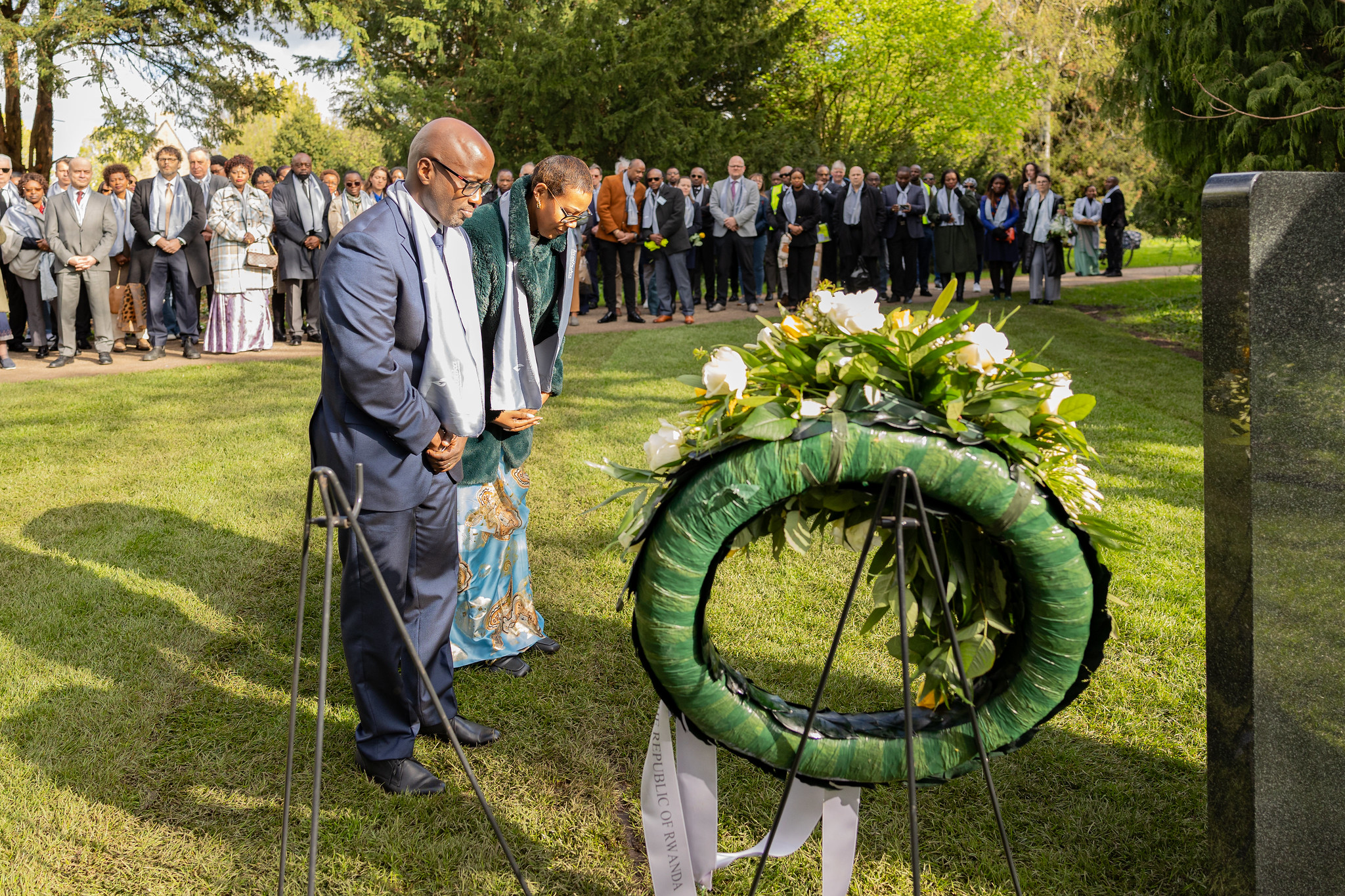
Why “Kwibuka” matters in the Netherlands
“On the 7th of April 2024, Rwanda marked 30 years since the Genocide against the Tutsi. “Kwibuka”, which means to remember, is an annual period of solemn reflection when we come together to honour the victims, unite in our collective grief and renew our commitment to continue to build a better future for all Rwandans.
This important act of preserving memory, and ensuring the accurate re-telling of history, matters to Rwandans. And though it might not be immediately apparent, it is also important to the Dutch citizens. The international community played a part in the tragedy while the world watched it unfold. Every nation can benefit from reflecting on the lessons from this preventable genocide borne of division and hatred.
Thirty years ago, over one million children, women and men were murdered in 100 days just because they were born Tutsi. Hutus who opposed the genocidal government were also killed. This ‘crime of crimes’ happened in plain sight. The international community were, at best, indifferent to the horrific violence, with some countries being complicit in the killings.
No one came to Rwanda’s aid. The slaughter was only halted when the Rwandan Patriotic Front took Kigali and defeated the genocidaires. The Genocide showed what can happen when an ideology built on hatred is allowed to flourish unchecked by those with the power to intervene.
Although foreign governments and international institutions failed Rwanda in our greatest hour of need, there were many brave foreigners on the ground who made heroic contributions.
Beyond remembering the individual stories, this significant commemoration provides an opportunity for the world to reflect on the lessons of the Genocide and the battle to preserve the integrity of the historical accounts of it.
There has been a concerted effort to deny the Genocide happened in the way we know it did. These genocide deniers use various tactics, ranging from questioning the numbers of victims – despite having no evidence to contradict the verified figures – to blaming the victims for causing the Genocide. They even go as far as creating false equivalencies by suggesting a double genocide took place..
These tactics are not new. They have been deployed by perpetrators and deniers of other genocides such as the Holocaust. But if we are not careful, this distortion of historical facts – supercharged by social media and AI tools now in the hands of deniers – could be deployed across the world turning true history into contested debate.
Rwanda’s history has shaped Rwandan shared identity - this is why the historical clarity about the Genocide against the Tutsi is of national and international importance.
In the aftermath of the genocide, the Government of the Netherlands was at the forefront in supporting Rwanda in one the most critical areas after such tragedy: the justice sector. It is precisely when victims were crying out for accountability that most professionals of justice had been killed or had fled the country and that most infrastructures of justice and their equipment were destroyed or stolen.
The Dutch cooperation in that regard was quite comprehensive and decisive. Courtrooms and correctional services were rebuilt, equipped and modernized; judges, prosecutors and lawyers were trained, including here in the Netherlands, and a number of genocide suspects who had fled to this country were investigated, arrested, prosecuted or extradited. The Kingdom of the Netherlands is one of the countries in Europe that has done the most in holding genocide suspects accountable.
The memorials Rwanda maintains (four of which have been designated UNESCO world heritage sites) are vital to anchoring the truth, and truth is essential to reconciliation and renewal. The artefacts we preserve are our evidence, and the stories we tell are witness testimony.
History was made on April 19th, 2023, as the first memorial site to honour the victims of the 1994 Genocide against the Tutsi in Rwanda was unveiled in the Kingdom of the Netherlands. Located in the northern part of the Beatrix Park in Amsterdam, it is also a place that gives an opportunity to the Dutch population, especially young generations, to reflect on the genocide and learn lessons from this tragedy, which will help prevent future genocides.
Our collective memory also provides the world with a warning that the ideology which drove the Genocide must not be allowed to flourish and spread ever again. This is unfortunately happening today just beyond Rwanda’s borders.
On the 7th April and beyond, we ask that the Kingdom of the Netherlands stand in solidarity with Rwanda. We ask that you do this to honour the memory of all Rwandans who lost their lives and others who did their best to help during Rwanda’s darkest hour. And we ask for your solidarity in preserving the true account of Rwanda’s history so that the world can match the words ‘never again’ with tangible action to prevent history from repeating itself.”
Ambassador Olivier J.P. Nduhungirehe

Rwanda at the OPCW Executive Council in The Hague
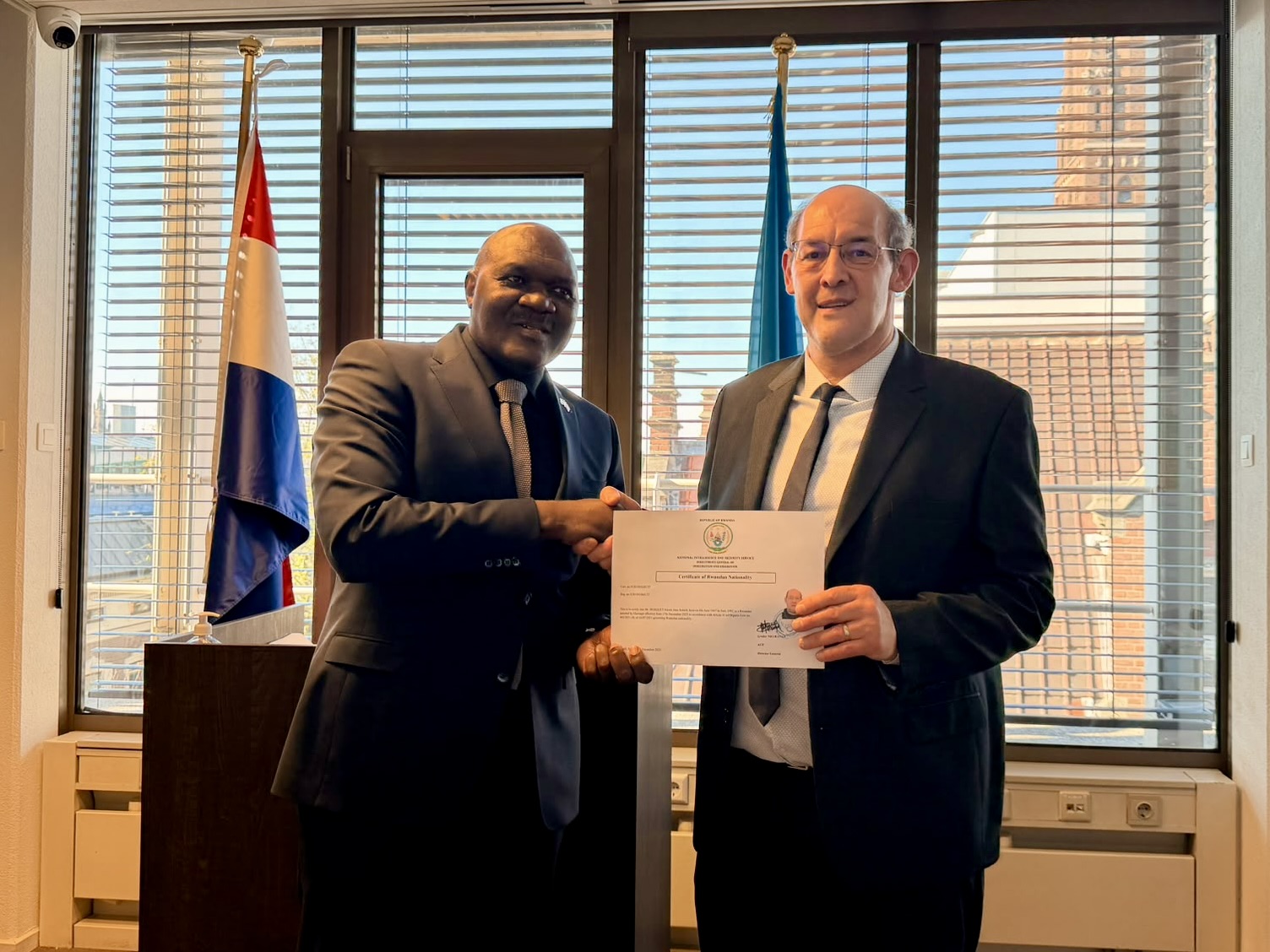
Oath of Rwandan nationality taken at the Embassy

Rwanda takes centre stage at Embassy Festival

Experience Rwanda at the Embassy Festival 2026

Umuganura 2026 celebrated in Groningen
